

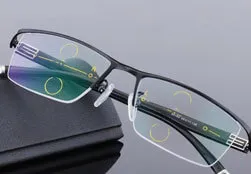





Personal protective equipment (PPE) has long been treated as “one size fits all.” For decades, women in industrial, medical, and laboratory settings had to make do with gear designed primarily for men. But when PPE doesn’t fit properly, it compromises both comfort and safety. This is especially true for eyewear, where gaps, slippage, or poor fit can expose the eyes to hazards.
The shift toward gender-specific PPE reflects an important recognition: women need equipment tailored to their facial structure, size, and comfort needs. Among these innovations, women’s safety glasses have become a cornerstone of modern workplace safety. This guide explores why gender-specific eyewear matters, how female PPE eyewear differs from standard designs, and why more employers are adopting prescription safety glasses for women as part of their safety programs.
Why Women’s PPE Matters
Workplace safety isn’t just about providing gear; it’s about providing the right gear. Studies show that women make up a growing portion of industries traditionally dominated by men, including construction, manufacturing, and laboratory science. Yet, for many years, their safety equipment was simply scaled-down versions of men’s gear.
That approach often left problems:
- Glasses that slipped down the nose or sat unevenly.
- Frames are too wide, leaving side gaps unprotected.
- Excessive pressure on temples or behind the ears causes discomfort.
- Lenses are misaligned with the wearer’s natural line of sight.
Ill-fitting PPE increases the likelihood of accidents, reduces compliance, and impacts productivity. By contrast, women’s PPE in the workplace is designed for proper fit, encouraging consistent use and better safety outcomes.
What Makes Women’s Safety Glasses Different?
ANSI certified women’s safety glasses meet the same rigorous safety standards as men’s models but are designed with female anatomy in mind. Differences include:
- Smaller frame sizes: Narrower widths fit comfortably on smaller faces without sliding.
- Adjustable nose bridges: Designed for a more accurate fit on different nose shapes, improving stability.
- Curved temples and flexible arms: Provide comfort without squeezing too tightly behind the ears.
- Stylish designs: More women are looking for PPE that balances safety with aesthetics. Subtle designs and colors make eyewear more appealing for daily use.
- Prescription-ready options: Many models are available as prescription safety glasses for women, ensuring both vision correction and protection.
These distinctions aren’t about fashion—they’re about function. A proper fit reduces gaps, enhances coverage, and ensures the glasses stay in place even during active work.
The Role of ANSI Certification
Not all eyewear marketed as safety glasses is truly protective. ANSI-certified women’s safety glasses are tested to meet standards for impact resistance, optical clarity, and coverage. This certification is critical because uncertified eyewear may shatter under impact or fail to provide adequate protection against flying debris and chemical splashes.
For women in laboratories, healthcare, or industrial environments, ANSI certification ensures that protective eyewear is both reliable and compliant with occupational safety regulations. Employers who prioritize certified PPE reduce liability while improving worker safety.
Prescription Safety Glasses for Women
For women who wear corrective lenses, safety glasses need to do more than protect against hazards. Blurry or distorted vision can be just as dangerous as exposure to flying particles. That’s why many professionals now choose prescription safety glasses for women, which integrate corrective lenses into ANSI-certified frames.
Advantages include:
- Eliminating the need to wear safety glasses over regular eyeglasses.
- Offering the same protective strength while improving clarity.
- Reducing discomfort from double layering.
- Enhancing compliance since workers are more likely to wear glasses that meet both safety and vision needs.
Prescription options are available in both everyday and task-specific designs, making them a versatile choice across industries.
Women’s PPE in the Workplace: A Growing Priority
Employers are increasingly recognizing that providing women’s PPE in the workplace isn’t optional—it’s essential. Regulatory bodies and industry leaders encourage organizations to ensure PPE fits all workers, not just the majority demographic.
The benefits of adopting gender-specific PPE policies include:
- Improved worker safety and fewer incidents.
- Higher compliance rates since the equipment is comfortable and practical.
- Enhanced job satisfaction and morale, showing that employers care about inclusivity.
- Better productivity, since workers aren’t distracted by poorly fitting gear.
In industries like manufacturing, chemical processing, construction, and healthcare, this shift is more than symbolic—it has measurable effects on workplace safety and efficiency.
Breaking Down the Myths
There are still misconceptions about female PPE eyewear that need to be addressed:
- Myth 1: Women can wear men’s safety glasses in smaller sizes.
Reality: Scaling down doesn’t account for differences in facial structure. Proper fit requires designs made for women.
- Myth 2: Gender-specific PPE is just about style.
Reality: While aesthetics are important for user acceptance, the primary focus is comfort, safety, and effectiveness.
- Myth 3: Prescription options are limited.
Reality: Modern prescription safety glasses for women are available in a wide range of designs, from sleek everyday frames to heavy-duty industrial goggles.
Features to Look For
When selecting women’s safety glasses, focus on the following features:
- ANSI certification for guaranteed impact protection.
- Lightweight materials like polycarbonate for comfort.
- Wraparound frames for side protection.
- Prescription-ready options for vision correction.
- Adjustable components such as nose pads and temple arms.
- Anti-fog and anti-scratch coatings for longevity.
These features ensure both safety and day-to-day usability.
The Future of Women’s Safety Eyewear
The rise of female PPE eyewear reflects broader changes in workplace culture. As industries become more inclusive, the demand for equipment designed with women in mind will only increase. We can expect to see continued innovation in:
- Lightweight, durable materials.
- Designs that combine professional style with rugged performance.
- Expanded options for prescription safety glasses for women.
- Greater customization, ensuring every worker has a personalized fit.
This evolution benefits everyone. By prioritizing inclusivity in PPE design, workplaces create safer, more efficient environments for all employees.
Final Thoughts
The era of “one size fits all” PPE is coming to an end. The rise of women’s safety glasses shows how industries are adapting to a more diverse workforce. With options ranging from female PPE eyewear to prescription safety glasses for women, employees no longer have to compromise between safety, comfort, and vision clarity.
Employers who invest in ANSI certified women’s safety glasses and other gender-specific PPE send a clear message: every worker’s safety matters. This not only improves compliance but also builds trust, morale, and productivity.
For high-quality, certified, and thoughtfully designed options, visit CA Glasses. Their collection of women’s safety eyewear is built to provide both comfort and protection, ensuring women in every industry can perform at their best while staying safe.