

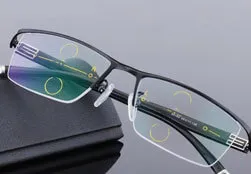





Clear near vision is essential for workers who deal with labels, screens, measurements, or small components. As people reach their forties, close-up clarity often declines. This is a normal part of aging, but it creates challenges on the job. Regular safety glasses protect the eyes, but do not help with reading. Prescription reading glasses help with close-up work but are not safe to use in environments that require impact protection.
This gap between safety and visibility is why bifocal safety glasses have become so useful. For anyone interested in how this combination improves accuracy and job performance, this guide on improving vision and safety with bifocal lenses explains how magnification supports clearer work in demanding environments.
Why Close-Up Tasks Become Difficult
The most common cause of near-vision difficulty is presbyopia. It affects almost everyone as they age and reduces the eye’s ability to shift focus to nearby objects. Workers start noticing that small text looks blurry or that tasks involving close inspection take longer than before.
During precision tasks, reduced near vision can also affect safety. Technicians, electricians, machinists, and quality inspectors rely on clear close-up vision to avoid mistakes. A missed number on a gauge or a misread label can lead to errors or unsafe conditions. Many workers turn to safety reading glasses or bifocal prescription safety glasses to maintain the clarity needed for reliable performance.
How Bifocal Safety Glasses Work
Bifocal safety glasses use a dual-zone lens. The top portion supports distance vision, which helps workers move around safely, stay aware of their surroundings, and observe full-size objects. The lower portion provides magnification for reading or inspecting fine details.
Safety is still a priority. Most pairs meet ANSI Z87.1 impact standards, meaning they protect against common hazards such as flying debris, dust, or sudden contact with tools.
With the combined benefit of clarity and protection, RX bifocal work glasses work well for many professionals who need consistent vision support throughout the day.
Key Benefits for Workers
Clearer Reading and Detail Visibility
Magnification helps workers read small text, check part numbers, view screens, and interpret diagrams without straining. Tasks involving tiny components or precision markings become easier and more reliable.
Reduced Eye Fatigue
When workers no longer need to lean in or squint to see fine details, eye fatigue decreases. This helps reduce headaches, maintains energy levels, and creates a more comfortable workday.
Safer Tool and Equipment Handling
Clear vision improves accuracy. Workers can identify proper measurements, view cutting lines, and inspect components with greater confidence. This helps reduce errors and supports safer outcomes.
Greater Productivity
Eliminating the need to switch between safety glasses and reading glasses saves time. Workers maintain concentration and avoid unnecessary steps, resulting in smoother task flow.
These benefits are why bifocal prescription safety eyewear is widely used across technical, industrial, and laboratory environments.
How to Choose the Right Bifocal Safety Glasses
Selecting the right pair of bifocal safety glasses ensures clear vision, stable comfort, and reliable protection throughout the workday. Since workers rely on these glasses for both safety and precision, each feature plays an important role. The following factors help guide a confident purchase.
ANSI Z87.1 Impact Rating
The impact rating is the most important requirement in a workplace environment. Glasses that meet ANSI Z87.1 standards have passed tests for high-velocity and high-mass impacts. This means they can withstand sudden contact with debris, metal shavings, tools, and other hazards. Without this rating, eyewear is not dependable for industrial or technical settings. Workers should always check for the Z87 marking to confirm that the glasses provide the correct level of protection.
Magnification Strength
Choosing the correct magnification makes the difference between improved clarity and unnecessary distortion. Strengths typically range from +1.00 to +2.50. Workers should select a power that brings text into focus at the normal reading distance they use on the job. A strength that is too high can make the lower lens difficult to adjust to, and one that is too low will not solve the clarity issue. If unsure, starting with a moderate strength like +1.50 is common for many workers who perform mixed-distance tasks.
Comfortable Fit for Long Wear
Since workers often wear these glasses for hours at a time, comfort is essential. A good pair should feel light on the bridge of the nose and secure behind the ears. Frames with adjustable nose pads or flexible temples offer a better fit for different face shapes. A stable fit prevents slipping when bending, moving, or looking downward at tools. If the glasses feel tight or press on the head, they may cause discomfort over a long shift.
Anti-Fog Coating
Fogging is a common issue, especially in environments where temperature changes or humidity are present. An anti-fog coating keeps the lenses clear so workers do not have to stop and wipe them during tasks. This becomes especially useful in labs, manufacturing floors, kitchens, or when wearing masks or respirators. A consistent, clear view helps workers stay focused and maintain accuracy.
Anti-Scratch Coating
Daily use exposes lenses to dust, tools, and surfaces that can scratch them. A scratched lens not only reduces visibility but can also distort magnification. An anti-scratch coating extends the life of the glasses and keeps the reading portion sharp. This is particularly important for workers who handle abrasive materials or operate in environments with fine particles.
Wraparound Shape for Better Coverage
Wraparound frames provide side protection that limits exposure to debris approaching from different angles. They also offer a wider field of vision, which is helpful when moving between tasks or working in busy environments. This design improves safety without sacrificing comfort. A snug wraparound shape stays secure during active work, helping the eyewear remain stable and protective throughout the day.
Lens Clarity and Material
Safety lenses are typically made from polycarbonate, which is lightweight and impact-resistant. High-quality lenses offer better optical clarity, reducing any distortion when moving between the magnified portion and the upper distance view. Workers who rely heavily on detailed tasks benefit from lenses that maintain clear and consistent visibility.
Compatibility With Other PPE
Workers often wear additional protective equipment such as hard hats, respirators, or hearing protection. The glasses should fit comfortably with this gear. Slim temples and lightweight frames are easier to combine with helmets or earmuffs without creating pressure points. A good fit ensures workers remain protected without discomfort or interference from their eyewear.
Style Preferences That Influence Use
While safety glasses are primarily functional, style still matters. Workers are more likely to wear eyewear consistently if it feels comfortable and looks appropriate for their environment. Modern designs offer sleek, lightweight frames that feel less bulky than older safety glasses. Choosing a style that feels natural encourages regular use, which supports both safety and performance.
Conclusion
Clear near vision affects accuracy, productivity, and safety in many workplaces. As close-up clarity declines with age, simple tasks can become more difficult. Bifocal safety glasses offer a practical solution by combining magnification for close work with the impact protection required in industrial or technical environments. They reduce strain, improve precision, and make daily tasks more efficient by eliminating the need to constantly switch between glasses.
If you want to explore dependable options designed for real work conditions, visit CA Glasses to view their full selection of bifocal safety glasses.