







Cycling demands split-second decisions for safety and performance. Whether navigating technical mountain trails, dense urban traffic, or pushing for speed on open roads, a rider relies heavily on their vision. Peak performance requires sharp acuity, fast reaction times, and robust eye protection.
While protective eyewear is standard gear, choosing between prescription and non-prescription options can be confusing. Both offer essential barriers against hazards but serve fundamentally different functions regarding visual correction. This article breaks down the cycling glasses comparison to help you select the equipment that matches your physiology and riding style.
Core Differences: Vision Correction vs. Standard Protection
At a glance, prescription and non-prescription eyewear often look identical, sharing similar frame geometries and tints. However, the engineering behind the lenses sets them apart. Understanding this distinction is the first step in determining which gear is essential for your ride.
Non-Prescription Cycling Glasses
Non-prescription glasses, often standard cycling sunglasses, are designed primarily for physical protection. Their main function is to shield the eyes from wind, dust, debris, bugs, and harmful UV rays at high speeds.
These glasses feature “plano” lenses, meaning they have no corrective power and are optically neutral. For riders with 20/20 vision or those wearing contact lenses, these provide a necessary barrier against impact and glare without altering focus. They are strictly about shielding the eye and enhancing contrast through tints.
Prescription Cycling Glasses
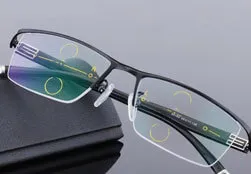
In contrast, prescription cycling glasses are medical devices integrated into performance gear. They combine the physical protection of standard eyewear with custom visual clarity.
These lenses are ground to a rider’s specific script, correcting refractive errors such as myopia, hyperopia, or astigmatism. Unlike standard eyewear, the lens curvature in high-wrap frames requires advanced digital surfacing. This technology ensures the prescription is accurate across the entire field of view, preventing the “fishbowl” distortion effect often found in cheaper adaptations.
Why Vision Correction Matters
Visual acuity is directly linked to safety. If you cannot clearly see a pothole or a patch of gravel, your reaction time suffers. Standard eyewear protects the eye physically but does not aid in depth perception or distance judgment for those with less-than-perfect vision.
Corrective eyewear ensures a rider can read their cycling computer, spot road signs, and judge traffic speed accurately. For a deeper understanding of why this gear is foundational, read about the best reasons why to wear cycling glasses, which details safety implications beyond just vision correction.
Protection & Performance Features: Shared and Unique
To make a fair cycling glasses comparison, we must look at attributes shared across the board and those exclusive to prescription models.
Shared Features
Both categories must meet high standards for durability and comfort.
- UV Protection: Both effectively block 100% of harmful UVA and UVB rays, critical for long-term eye health.
- Wind and Debris Resistance: Wrap-around designs create a seal that prevents wind from drying out eyes or causing tearing.
- Impact Resistance: High-quality options use shatterproof polycarbonate or Trivex lenses, ensuring safety from road debris.
- Comfortable Frames: Lightweight materials like TR-90 ensure the glasses stay in place despite sweat and vibration.
Unique to Prescription Options
The primary advantage of prescription models is eliminating the “correction gap.” Riders relying on standard sunglasses over contact lenses often face issues with contacts drying out or shifting.
Prescription lenses offer consistent, sharper focus. They reduce eye strain as muscles don’t have to work as hard to interpret blurry images. Furthermore, they allow for accurate distance judgment, vital when descending at speed. When you gear up with prescription cycling sunglasses, know their importance lies in maintaining peak visual performance without the maintenance of contact lenses.
When Prescription Glasses Make a Significant Difference
While casual riders might manage with regular glasses, dedicated cyclists know compromise isn’t an option. There are specific scenarios where prescription cycling glasses transform the ride.
- Riders with Refractive Errors: For those with myopia, hyperopia, or astigmatism, clear vision is a requirement, not a luxury. Riding without correction or relying on standard glasses over contacts increases risk.
- Long-Distance and Mountain Biking: Endurance riders face changing light and weather. Mountain bikers deal with technical trails where misjudging depth by inches can cause a crash. In these environments, corrective clarity is a performance enhancer. Understanding how prescription cycling glasses enhance performance in all conditions, like wind, rain, and fog, is crucial for year-round riders.
- Urban Commuters: City riding is unpredictable. Navigating traffic requires constant scanning. Precise vision allows commuters to react instantly to opening car doors or swerving vehicles.
Considerations When Choosing Prescription Cycling Glasses
If vision correction is necessary, the selection process is more technical than buying off-the-shelf shades. You need lenses tailored to your eyes and cycling demands.
- Accurate Prescription Customization: Ensure your prescription is current. Cycling frames often have a high base curve; your provider must adjust the prescription to account for this curvature to prevent distortion.
- Lens Material and Coatings: Glass lenses are dangerous due to shattering risks; always choose polycarbonate or Trivex. Look for hydrophobic (water-repellent) and oleophobic (oil-repellent) coatings to keep lenses clean. Anti-fog coatings are essential for winter riding or high-exertion climbs.
- Tints and Polarization: Selecting the right tint is critical. Yellow or clear lenses suit low light, while grey or brown work for bright sun. Polarization reduces glare from wet roads but can sometimes mask slippery surfaces or digital screens. Research polarized vs. non-polarized cycling glasses to decide what fits your terrain.
- Frame Fit: The frame must fit securely without pinching and provide a wide field of view in the riding position. Reviewing the key factors to consider when choosing cycling sunglasses can serve as a helpful checklist.
For a detailed walkthrough of measurements and technologies, consult a comprehensive buyer’s guide to prescription cycling glasses.
Pros and Cons: Summary Comparison
The following table outlines the functional differences to simplify the cycling glasses comparison.
|
Feature / Scenario |
Non-Prescription Cycling Glasses |
Prescription Cycling Glasses |
|
Vision correction |
No (Requires contacts) |
Yes (Built-in correction) |
|
Glare / UV / dust protection |
Yes |
Yes |
|
Cost & convenience |
Lower cost, off-the-shelf |
Higher cost, custom manufacturing |
|
Versatility (multiple users) |
High |
Limited to user’s eyesight |
|
Clarity |
Standard |
Optimized for specific eyesight |
|
Contact Lens dependancy |
High |
None |
Conclusion
The decision between prescription and non-prescription eyewear comes down to your physiology. Riders with vision correction needs benefit significantly from prescription cycling glasses. They offer improved clarity, confidence, and safety, eliminating contact lens hassles in a robust package.
Non-prescription cycling sunglasses remain excellent for riders with perfect eyesight or those preferring contacts. However, for those requiring correction, the performance gap is undeniable.
The right choice depends on your eyesight, environment, and expectations. Prioritizing visual acuity ensures every ride is safer and more enjoyable. CA Glasses offers a wide range of high-performance eyewear designed to meet these rigorous standards, helping cyclists find their perfect visual solution.