







Mountain biking is a sport defined by speed, variable terrain, and unpredictable elements. Whether you are navigating a technical rock garden or accelerating through a flow trail, your vision is the primary input for every decision you make on the bike. While a high-quality helmet is non-negotiable for head protection, the right eyewear is equally critical for eye safety and trail clarity.
Riding without proper eye protection exposes you to UV rays, wind, dust, and low-hanging branches. However, not all eyewear is built to handle the rigors of the trail. This guide compares lens types, frame styles, and performance features to help you select the best mountain biking sunglasses for your specific riding style. At CA Glasses, we specialize in providing high-performance optical solutions designed to withstand the unique demands of off-road cycling.
Core Needs of Mountain Biking Vision
The visual demands of mountain biking differ significantly from road cycling or casual wear. On a road bike, the environment is generally consistent. On a mountain bike, the environment changes rapidly. You might transition from bright, exposed fire roads into dense, shadowed singletrack in a matter of seconds.
Rapid Light Changes
The “strobe light effect” occurs when riding through trees where sunlight flickers through the leaves. Your eyes must adjust instantly to spot roots, rocks, and changes in traction. Standard sunglasses often fail here, leaving the rider temporarily blind to obstacles in the shadows.
Debris and Impact Protection
Dust, mud splatter, and insects are constant companions on the trail. A small pebble kicked up by a front tire can cause significant injury if your eyes are unprotected. Furthermore, airflow is a factor; at high speeds, wind can cause eyes to tear up, blurring your vision at the exact moment you need clarity.
Vibration and Movement
Trails are rough. Your eyewear must remain secure during intense vibrations and sudden body movements. If your glasses slide down your nose during a descent, you are forced to take a hand off the bar to adjust them, which compromises control.
Peripheral Awareness
Narrow frames restrict your field of view. In mountain biking, you need to see what is coming up on the sides of the trail, such as passing riders or encroaching vegetation, without turning your head excessively.
For a deeper understanding of how gear choices impact your ride, you can read about mountain bike safety and what can be done to avoid mishaps on the trails.
Lens Type Comparison: What Works Best on Trails
The lens is the most critical component of your eyewear setup. The color and treatment of the lens dictate how you perceive contrast and depth.
Standard Tinted Lenses
Standard tints, such as grey or dark smoke, are straightforward and effective for consistent lighting. They reduce overall brightness and are excellent for exposed trails in desert environments or alpine ridges. They provide a neutral color perception, meaning the colors you see are true to life, just darker. However, they can be a liability in deep forest cover, as they may render shadowed obstacles invisible.
Photochromic (Transition) Lenses
For riders who frequent trails with mixed lighting, photochromic lenses are often the practical choice. These lenses automatically adjust their tint level based on UV exposure. When you are in an open field, they darken to protect against glare. When you dive into the tree line, they lighten to allow more visibility. This versatility eliminates the need to stop and swap lenses mid-ride.
Polarized Lenses
Polarization is a filter that blocks horizontal light waves, effectively cutting glare bouncing off flat surfaces like water, wet roads, or snow. While excellent for fishing or driving, polarized lenses can sometimes be problematic for mountain biking. They can flatten the contrast on the trail, making it difficult to distinguish between a wet patch of mud and dry dirt. However, specifically engineered polarized mountain bike sunglasses for bright sunlight can be beneficial in highly exposed, rocky terrains where glare is a major fatigue factor.
Clear or Yellow Lenses
Clear lenses are strictly for protection during night rides or extremely overcast days. Yellow or amber tints, however, are performance enhancers for low-light conditions. These tints filter out blue light, which improves contrast and depth perception. This makes roots and rock edges “pop” visually against the dirt background, allowing for faster line choice in dense forests or at dusk.
Frame & Fit Comparison: Stability vs. Comfort
The best lenses in the world are useless if the frame creates pressure points or falls off. When selecting eyewear from CA Glasses, consider the following frame characteristics.
- Wraparound Frames: This style is the industry standard for a reason. Wraparound frames curve around the face, blocking light and debris from entering the sides. This maximizes peripheral vision and provides a shield against wind.
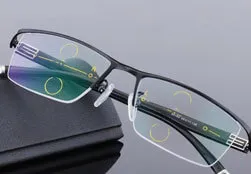
- Full-Frame vs. Half-Frame: Full-frame glasses offer the most structural durability and protection for the lens edges. However, some riders find the lower rim obstructs their view when looking down at the bike computer or the immediate trail. Half-frame (rimless bottom) designs are lighter and offer an unobstructed downward view, which many technical riders prefer.
- Grip Technology: Look for frames that utilize hydrophilic rubber on the nose pads and temple tips. This material becomes tackier as you sweat, ensuring the glasses stick to your face rather than sliding down when you perspire on a climb.
- Ventilation Designs: Fogging is a major issue during slow, steep climbs when body heat rises, and airflow decreases. Frames with small vents cut into the lens or the rim allow air to circulate, keeping the lens clear without drying out your eyes.
Prescription vs. Non-Prescription: Which Is Better for MTB?
For riders requiring vision correction, the debate between contact lenses and prescription sunglasses is common. Contacts can dry out or dislodge if dust gets in the eye. Prescription sports sunglasses provide a robust, all-in-one solution.
- Enhanced Depth Perception: Prescription lenses are ground to your specific measurements. This precise correction improves depth perception, which is vital for judging the distance of a gap jump or the height of a drop.
- Safety and Convenience: There is no risk of a contact lens popping out mid-ride. Prescription eyewear ensures you have 20/20 vision from the trailhead to the parking lot.
- Trail Reading: Corrective lenses allow you to spot subtle texture changes in the dirt, helping you identify loose gravel or slick roots before your tires hit them.
For those interested in how specialized eyewear enhances the riding experience, explore the top 10 benefits of mountain bike sunglasses to see why this investment matters.
Weather & Terrain-Based Recommendations
To simplify your decision, here are practical recommendations based on common riding scenarios found at CA Glasses.
- Bright Open Trails: For desert riding or high-altitude sun, utilize dark grey tints or polarized mountain bike sunglasses for bright sunlight. These conditions require maximum light reduction to prevent eye strain.
- Forest Shade: In the Pacific Northwest or dense woodlands, opt for amber, rose, or copper tints. These colors increase contrast, helping you navigate the “green tunnel” effectively.
- Mixed Environments: If your ride involves climbing exposed fire roads and descending through trees, photochromic lenses are the superior choice. They adapt as you ride, ensuring you never have to compromise.
- Night Rides: Clear lenses are the only safe option. Even a slight tint can reduce visibility dangerously when relying on bike lights.
Conclusion
Selecting the right eyewear is about analyzing where you ride and what conditions you face. The best mountain biking sunglasses are the ones that you forget you are wearing because they fit perfectly and provide absolute visual clarity.
Whether you need a high-contrast yellow lens for cloudy days or a rugged prescription wraparound frame for technical descents, the priority is always safety and performance. At CA Glasses, we provide a comprehensive range of eyewear engineered to meet these demands. By choosing the right combination of frame stability, lens technology, and prescription accuracy, you ensure that your focus remains exactly where it needs to be: on the trail ahead.