







When working in a lab, your eyes are often the most vulnerable part of your body. Whether you’re handling corrosive chemicals, operating high-speed machinery, or conducting intricate experiments, your eyes are exposed to risks that can cause temporary or permanent damage. Proper eye safety in laboratory environments isn’t optional—it’s essential.
This comprehensive guide outlines the steps and precautions necessary to protect your vision, reduce accidents, and meet safety standards. Eye injuries in labs are common, but nearly all of them are preventable. With the right gear and practices, lab personnel can minimize risk and maintain a safe, productive workspace.
Why Eye Protection Matters in Labs?
Each year, thousands of eye injuries are reported in laboratory environments. Most could have been prevented with appropriate laboratory eye protection. Common hazards include:
- Chemical splashes
- Flying debris or broken glass
- UV and laser exposure
- Heat or infrared radiation
- Biological contaminants
These dangers are real and immediate. A single careless moment or the absence of proper protective gear can lead to burns, infections, or permanent vision loss. Beyond personal injury, lab eye accidents often halt research, incur high medical costs, and delay institutional progress.
Reliable eye protection in labs helps researchers and technicians focus on their work without fear of injury. It also reinforces a safety-oriented culture that benefits everyone involved.
Types of Eye Hazards You Might Encounter
Understanding potential eye hazards is the first step toward protection. Here are the most common dangers in laboratory environments:
1. Chemical Hazards
Chemicals are present in nearly every lab discipline. Acids, bases, solvents, and reactive compounds can cause irreversible damage if they come into contact with your eyes. Even a diluted solution can lead to serious injury.
2. Mechanical Hazards
Flying debris from broken glass, centrifuge malfunctions, or mechanical tools can hit the eye at high speeds. Microfractures in glassware or poorly secured equipment can become dangerous projectiles in seconds.
3. Radiation Hazards
UV light from biological safety cabinets, infrared radiation from heat sources, and direct or reflected laser beams can all damage the cornea or retina. Some damage, like cataracts from UV exposure, builds over time with repeated exposure.
4. Biological Hazards
In microbiology and biomedical labs, you may work with potentially infectious materials. Splashes or aerosolized particles can infect the eye if appropriate protection isn’t worn.
5. Thermal Hazards
Hot equipment or chemical reactions can produce heat that damages the sensitive tissues of the eye. These are especially common in materials science or chemical engineering labs.
Anticipating these risks allows lab workers to implement more targeted safety measures.
Choosing the Right Eye Protection
Not all eye protection is equally effective. Your lab tasks will determine which type of laboratory eye protection is most appropriate:
- Safety Glasses: Provide basic protection against dust and low-risk debris. Common in electronics or dry labs.
- Goggles: Offer a sealed fit to shield against splashes, vapor, and flying particles. Ideal for handling chemicals.
- Face Shields: Cover the entire face and are usually worn over goggles when high volumes of fluid or explosive reactions are involved.
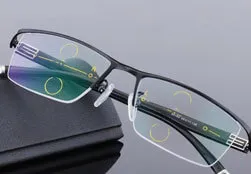
- Prescription Safety Glasses: For individuals with vision correction needs, prescription safety glasses offer comfort and clarity without needing to wear goggles over regular eyewear.
Ensure all eyewear meets ANSI Z87.1 standards for impact resistance and clarity. Certified gear is lab-tested to perform under real-world conditions.
Best Practices for Eye Safety in Laboratory Work
Wearing the right gear is only part of the equation. Lab safety is a combination of the right equipment and the right behavior. Follow these practices to maintain a safe environment:
1. Conduct Detailed Risk Assessments
Before beginning any lab work, identify potential hazards. Review all materials and processes. Consider what could go wrong and how to prevent it.
2. Maintain PPE Discipline
Never begin work without your eye protection in labs. Even “quick” or familiar tasks can turn dangerous without warning.
3. Inspect and Clean Eyewear Regularly
Dirty or scratched lenses can obscure vision and compromise safety. Clean eyewear with appropriate cleaning agents and inspect for cracks or defects.
4. Be Emergency Ready
Know where the eyewash station is and how to activate it. Practice emergency drills regularly so everyone knows how to respond during an accident.
5. Foster a Safety Culture
Supervisors should model good habits and correct unsafe behavior. Include eye safety in onboarding, ongoing training, and lab meetings.
6. Store Gear Correctly
Use dedicated storage cabinets or cases to protect eyewear from contamination or damage. Never leave safety gear on lab benches.
7. Document and Review Safety Procedures
Keep detailed records of risk assessments, incidents, and training sessions. Periodically review safety protocols to ensure continuous improvement.
Who Should Use Prescription Safety Glasses?
Anyone who relies on corrective lenses in a lab setting should consider prescription safety glasses. These glasses combine protection and clear vision in a single, well-fitted design.
Standard goggles worn over prescription glasses are often uncomfortable, and they can reduce visibility or shift during work. Prescription safety glasses solve these problems, making it easier to stay focused and protected during long lab hours.
Whether you’re a student, technician, or lead researcher, having personalized, ANSI-certified protection is a smart and necessary investment.
Regulations and Compliance
Government and institutional standards enforce proper eye safety in laboratory environments:
- ANSI Z87.1: Sets the benchmark for safety eyewear, including impact and chemical resistance.
- OSHA 1910.133: Requires employers to provide and enforce the use of suitable eye and face protection.
- CDC/NIH Biosafety Guidelines: Offer detailed recommendations for work involving infectious materials.
Always verify that your eye protection is certified and sourced from a trusted supplier. CA Glasses ensures its gear meets or exceeds these standards, providing peace of mind with every pair.
Final Thoughts
Keeping your eyes safe in a lab is not just about policy—it’s about protecting your future. A single mistake can lead to irreversible damage. That’s why wearing proper laboratory eye protection and maintaining strong safety habits should be second nature.
If you wear corrective lenses, make the smart move to prescription safety glasses. They offer a tailored fit, optimal clarity, and certified protection so you can do your work with confidence.
CA Glasses offers a full range of lab-compliant, high-performance eyewear built for demanding environments. Focus on quality and safety makes CA Glasses a trusted partner for professionals who take their vision seriously.