

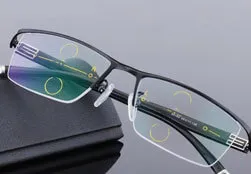







When it comes to prescription glasses, the frames may be what you notice first, but the lenses are what truly impact your vision and comfort. Choosing the wrong lenses can leave you with headaches, eye strain, and unnecessary costs. This prescription eyeglass lens guide will help you understand the different types, materials, and coatings available so you can make the most informed decision possible.
If you are wondering how to pick eyeglass lenses that match your lifestyle, prescription strength, and budget, this detailed breakdown will give you the clarity you need.
1. Start with Your Prescription Details
Your prescription plays a big role in what lens types and materials will work best. Higher prescriptions often require thinner, lighter materials to prevent the “thick lens” look and reduce weight on your face. Lower prescriptions give you more flexibility with cost and style.
Before shopping, make sure you understand key terms in your prescription:
- Sphere (SPH): The main correction for nearsightedness or farsightedness.
- Cylinder (CYL): Correction for astigmatism.
- Axis: Direction of astigmatism correction.
- Add: Extra magnifying power for multifocals or reading sections.
Knowing these numbers will guide you toward the best material for prescription lenses for your needs.
2. Understand the Common Lens Materials
The material you choose affects lens thickness, durability, weight, and clarity. Here are the main options you’ll encounter when you choose prescription eyeglass lenses:
Plastic (CR-39)
- Affordable and lightweight.
- Offers good optical clarity.
- Not as impact-resistant as other options, so less ideal for active lifestyles or safety glasses.
Polycarbonate
- Much more impact-resistant than standard plastic.
- Lightweight and thinner than CR-39.
- Built-in UV protection.
- A top choice for sports glasses, children’s eyewear, and prescription safety glasses.
Trivex
- Combines excellent impact resistance with even lighter weight than polycarbonate.
- Offers sharp optical clarity.
- Great for those who prioritize both safety and vision quality.
High-Index Plastics
- Designed for stronger prescriptions to make lenses thinner and lighter.
- Available in various refractive indexes (1.60, 1.67, 1.74).
- Reduces the “magnifying” or “minifying” effect in high prescriptions.
Choosing the best material for prescription lenses depends on whether your priority is affordability, durability, thinness, or optical clarity.
3. Single Vision, Multifocal, or Progressive?
The type of lens design you need depends on your vision requirements:
- Single Vision: Corrects for one field of vision (near, intermediate, or far). Most common for standard eyeglasses.
- Bifocal: Two distinct viewing zones for near and far vision. The line separating the zones is visible.
- Progressive: Seamless transition between near, intermediate, and far vision. No visible lines, making them more discreet.
If you’re unsure, your optometrist can confirm whether you need single vision or a multifocal lens.
4. Essential Lens Coatings to Consider
Coatings can greatly improve lens performance, comfort, and durability.
Anti-Reflective (AR) Coating
Also called anti-glare lenses for glasses, AR coating reduces reflections from light sources like computer screens, headlights, and overhead lighting. Benefits include:
- Sharper vision, especially at night.
- Reduced eye strain during screen use.
- Better aesthetics since your eyes are more visible through the lenses.
Scratch-Resistant Coating
Essential for keeping lenses clear and extending their lifespan. Many modern lenses have this built in.
UV Protection
Blocks harmful ultraviolet rays that can cause eye damage over time. Polycarbonate and Trivex lenses naturally have 100% UV protection.
Blue Light Filtering
Helps reduce digital eye strain from screens, especially for those who spend long hours on computers or mobile devices.
When deciding how to pick eyeglass lenses, coatings can be just as important as the base lens material.
5. Match Lenses to Your Lifestyle
Your day-to-day activities influence the best lens choice for you:
- Office Work & Screen Use: Single vision with AR coating and optional blue light filter.
- Outdoor Activities: Photochromic lenses (light-adjusting) with UV protection.
- Sports or Hazardous Work: Polycarbonate or Trivex lenses for impact resistance.
- High Prescription Needs: High-index lenses for thinness and reduced weight.
By matching your lenses to your lifestyle, you’ll avoid overpaying for unnecessary features while ensuring you have what you truly need.
6. Think About Long-Term Comfort
Weight, thickness, and frame compatibility all affect how your glasses feel after hours of wear. Heavy lenses can cause pressure on the nose and behind the ears. If comfort is a top priority, opt for lighter materials like Trivex or high-index plastics.
Also consider frame style. Large frames may require bigger, thicker lenses, especially in strong prescriptions, which can increase weight and distortion at the edges.
7. Budget vs. Quality Balance
It’s tempting to go for the cheapest option, but low-cost lenses may lack quality coatings or durability. Conversely, premium lenses aren’t always necessary for lower prescriptions.
The best strategy is to prioritize what matters most to you:
- Strong prescriptions: Spend on high-index materials.
- Active lifestyles: Invest in impact-resistant lenses.
- Frequent screen use: Get anti-glare lenses for glasses.
8. How to Compare Your Options
When reviewing lens options online or in-store, look at these factors side-by-side:
|
Feature |
Why It Matters |
Best For |
|
Material |
Weight, thickness, durability, clarity |
Depends on prescription & lifestyle |
|
Index |
Higher index = thinner lens |
High prescriptions |
|
Coatings |
Vision comfort & protection |
Everyone |
|
Impact Resistance |
Safety & durability |
Sports, work environments |
|
UV Protection |
Eye health |
Outdoor use, general wear |
Comparing lenses using a table like this ensures you’re making a decision based on function, not just price.
If you are researching lenses for protective eyewear, you should read this buying guide for prescription safety eyeglasses online for a deeper look at frame styles, lens standards, and workplace compliance.
Final Thoughts
The right lenses can make a world of difference in how you see and feel every day. Choosing carefully based on your prescription, lifestyle, and comfort needs will ensure you get the best value for your money.
Whether you prioritize thinness, impact resistance, or special coatings, understanding the trade-offs helps you avoid common mistakes and unnecessary expenses. Now that you know how to pick eyeglass lenses, you can confidently select the right material, design, and finish.
For those looking for a trusted source for prescription eyewear, CA Glasses offers a wide range of high-quality lens options tailored to your exact prescription. Explore their collection of Prescription Safety Glasses to find lenses that deliver comfort, clarity, and long-term durability.