





Selecting the right golf sunglasses is more than a style choice. It affects how well you track the ball, read the greens, and manage changing light throughout a full round. Many golfers overlook how strongly weather and lighting influence lens performance. If you want consistent clarity from the first tee to the final putt, you need eyewear that works with the environment, not against it. This matters whether you prefer standard lenses or options similar to Prescription Ski Goggles, ski goggles with prescription lenses, prescription ski eyewear, or prescription goggles for snow sports that deliver precision vision in harsh conditions.
This guide explains how weather affects your visual needs, how to choose the best tint for each condition, and what to look for when selecting dependable golf sunglasses.

Why Weather and Light Matter in the Course
Golf courses rarely offer stable light. You move through open fairways, shaded trees, water reflections, and sudden cloud cover. Proper sunglasses help your eyes adapt while keeping depth perception accurate.
Poor lens choice can cause:
- Washed out color
- Weak contrast on greens
- Lost ball flight against bright sky
- Fatigue from squinting
- Strong glare off water or sand
Matching your lenses to the day’s conditions improves detail and consistency. The same concept is used in prescription ski eyewear, which must perform in extreme brightness and reflective surfaces.
Best Lens Tints for Different Weather Conditions
Bright, Sunny Days
Clear days bring strong glare and heavy UV exposure. Darker tints offer relief.
Ideal tints
- Grey
- Brown
- Green
Why these work
- Reduce brightness without shifting natural colors
- Improve comfort over long rounds
- Support reliable depth judgment
Polarized lenses can reduce glare, though some players prefer non polarized lenses for reading greens. Choose based on what feels most natural to your eyes.
Partly Cloudy or Variable Conditions
When clouds move in and out, you need a tint that adapts to constant light changes.
Ideal tints
- Amber
- Copper
- Rose copper
Why these work
- Boost contrast
- Brighten dimmer areas
- Clarify details on greens
These tints work well for mixed or unpredictable lighting and help maintain a stable visual experience.
Overcast or Low Light
Flat, diffused light removes contrast. The right tint can reintroduce depth.
Ideal tints
- Yellow
- Light rose
- Light amber
Why these work
- Increase contrast in muted light
- Reveal subtle green contours
- Improve ball tracking in low visibility
These tints work similarly to lenses used in ski goggles with prescription lenses, designed to reveal detail in variable mountain light.
Lens Technologies That Improve Golf Performance
- UV Protection: Always choose lenses with full UVA and UVB protection. UV damage builds slowly over time, so reliable protection is essential for anyone who spends hours outdoors.
- Anti Reflective Coating: Anti reflective coatings reduce internal reflections and allow more light to pass through the lens. They help during early morning or late afternoon when the sun sits low.
- Polarization: Polarized lenses reduce glare from water hazards, sand, and wet grass. They improve comfort in bright conditions. Some golfers prefer non polarized lenses for green reading, but many benefit from glare reduction.
- Photochromic Lenses: Photochromic lenses shift tint levels based on the light. They darken during intense sun and lighten under cloud cover. They are ideal for golfers who want a single pair for changing weather.
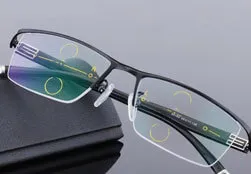
- Prescription Options: Golfers who need corrective lenses gain a significant advantage with prescription sunglasses. Clear depth perception helps with alignment, ball tracking, and distance judgment. This is the same reason Prescription Ski Goggles and prescription goggles for snow sports must deliver accurate, distortion free vision.
Frame Features That Support Comfort and Stability
A high quality lens still needs a strong, comfortable frame.
Fit
A stable fit prevents movement during your swing and avoids pressure points.
Look for:
- Lightweight construction
- Rubberized nose pads
- Secure temple grip
Coverage
Curved or wraparound designs protect your eyes from wind, glare, and distractions in your peripheral vision. This helps maintain focus and clarity.
Durability
Choose frames built to handle sweat, sun, and long term outdoor use. Sturdy materials keep the fit consistent over time.
Choosing Sunglasses Based on Course Terrain
Coastal or Water Heavy Courses
Water creates powerful glare. Darker tints or polarized lenses work best for maintaining clarity. Grey or brown lenses keep colors natural.
Forest or Tree Lined Courses
Shadows create uneven light. Medium to high contrast tints like copper or rose copper improve your ability to distinguish detail.
Mountain or High Altitude Courses
High altitude conditions bring intense UV exposure. A darker lens, similar to what you find in prescription goggles for snow sports, will protect your eyes and maintain clarity.
Tips for Switching Lenses Throughout the Day
Some golfers prefer interchangeable lens systems. These systems work best for players who:
- Play long rounds
- Start early or finish late
- Face frequent weather shifts
- Want precise control over tint
Carrying two or three lens options ensures you always have the right tint for the moment.
How to Maintain Your Golf Sunglasses
Routine care helps preserve clarity.
- Use a microfiber cloth
- Avoid harsh cleaners
- Store sunglasses in a protective case
- Keep them away from the heat
- Rinse lenses gently when sandy or dusty
These simple habits protect coatings and prevent scratches.
When to Replace Your Sunglasses
Even quality lenses degrade with time. Replace your eyewear if you notice:
- Scratches
- Reduced contrast
- Frequent fogging
- Loose or bent frames
Good vision affects every shot. When clarity drops, performance follows.
Conclusion
Choosing the right golf sunglasses means understanding how weather, course conditions, and lighting affect your vision. The best tint improves contrast, reduces glare, and keeps your eyes comfortable. Technologies like UV protection, photochromic adjustment, and prescription lenses help maintain accuracy throughout your round. These principles mirror the precision required in Prescription Ski Goggles, ski goggles with prescription lenses, prescription ski eyewear, and prescription goggles for snow sports, all built for performance in difficult light.
If you want golf sunglasses designed for clarity and consistency, explore the prescription golf lineup at CA Glasses. Their collection offers dependable options built for golfers who want sharper vision and better focus on every hole.