


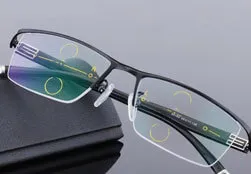



When you’re out on the course, clear vision isn’t a luxury, it’s essential. The right eyewear can make the difference between reading the greens accurately and missing your line by inches. Whether it’s a bright summer afternoon or an overcast morning, matching your sunglasses to the conditions can significantly improve your performance and comfort. That’s where prescription golf sunglasses

Why Golf Sunglasses Matter
Golf is a sport of precision, and vision plays a critical role. Glare, shadows, and changing light can distort depth perception and color contrast, making it difficult to judge distances or read the greens.
Prescription golf sunglasses correct vision while reducing glare, improving contrast, and protecting eyes from harmful UV rays. They’re designed specifically for the unique lighting challenges golfers face on the course.
The best prescription sunglasses for golf go beyond simple sun protection. They enhance contrast, sharpen depth perception, and maintain color accuracy, giving you a visual edge on every swing.
Understanding Light Conditions on the Course
Lighting on a golf course changes constantly. It depends on the time of day, the weather, and the type of terrain. A single round of golf might include full sun, passing clouds, and shaded fairways. The best players know how to adapt their eyewear to those shifts.
Here’s how different light conditions affect visibility:
- Bright sunlight increases glare and flattens depth perception.
- Cloudy or overcast conditions dull color contrast and make greens appear flatter.
- Early morning or late afternoon light casts long shadows and can distort distance.
- Windy or hazy weather can introduce dust and debris that reduce clarity.
By choosing golf sunglasses for different weather, you can maintain visual accuracy no matter what the day brings.
Golf Sunglasses for Sunny Days
When the sun is high and bright, glare becomes your biggest challenge. Fairways reflect light, sand traps can be blinding, and the white of the ball can seem too harsh against the green.
The best golf sunglasses for sunny days feature:
- Dark lenses (gray, green, or brown tints): These reduce overall brightness without distorting natural colors.
- Polarized lenses: Cut down surface glare from water hazards and sand traps.
- UV protection: Essential for long rounds under direct sunlight.
- Mirror coatings: Further reduce glare and offer added comfort for sensitive eyes.
For golfers with vision correction needs, prescription golf sunglasses with polarized lenses are ideal. They provide the clarity of your regular prescription glasses with added protection and contrast enhancement.
Golf Sunglasses for Cloudy Days
Many golfers underestimate how challenging cloudy or overcast conditions can be. When the sun hides behind clouds, the world looks flat and muted. Depth perception and contrast suffer, making it harder to read greens or track the ball in flight.
Golf sunglasses for cloudy days should brighten the field of vision and improve color contrast. Look for:
- Yellow, amber, or rose-tinted lenses: These enhance contrast and depth perception in low light.
- Photochromic lenses: Automatically adjust tint based on available light, darkening in the sun and lightening under clouds.
- Non-polarized options: Polarized lenses can sometimes reduce visibility in dim conditions, so consider non-polarized lenses for overcast days.
If you often play in variable weather, photochromic prescription golf glasses offer the flexibility to handle both bright and cloudy conditions without needing to switch eyewear mid-round.
How Lens Color Affects Performance
Choosing the right lens color can dramatically impact how you see the course. Each color filters light differently, affecting brightness, contrast, and color perception.
|
Lens Color |
Best For |
Benefits |
|
Gray/Green |
Sunny days |
Reduces brightness and maintains natural color balance |
|
Brown/Amber |
Variable light |
Improves contrast and depth perception |
|
Yellow/Gold |
Cloudy or foggy weather |
Brightens vision and enhances contrast |
|
Rose/Copper |
Early morning or dusk |
Adds warmth and improves visibility in low light |
|
Photochromic (Adaptive) |
All conditions |
Adjusts tint based on light intensity |
Matching lens color to conditions ensures you’re never at a disadvantage due to poor visibility.
Choosing the Right Frame Design
The frame of your prescription golf sunglasses is as important as the lenses. Comfort, coverage, and fit all play roles in maintaining focus and preventing distractions.
Look for these key frame features:
- Wraparound design: Provides a wider field of view and prevents sunlight from entering from the sides.
- Lightweight materials: Keep you comfortable through long rounds.
- Adjustable nose pads and temple grips: Ensure a secure fit during swings and movement.
- Ventilation: Reduces fogging, especially in humid conditions.
Frames should stay in place during your swing but feel light enough that you forget you’re wearing them.
Managing Changing Weather
Many golfers face changing weather during a round. The light might shift from sunny to overcast or vice versa. If you want to avoid switching sunglasses mid-game, consider:
- Interchangeable lens systems: Swap lenses easily based on lighting.
- Photochromic lenses: Adapt automatically for seamless vision.
- Hybrid tint lenses: Offer balanced performance across various light levels.
These options make it easier to stay focused on your game instead of worrying about eyewear adjustments.
Common Mistakes When Choosing Golf Sunglasses
Even experienced players make a few common errors when choosing their golf eyewear. Avoid these pitfalls:
- Ignoring contrast: Dark lenses can make greens appear flat. Always prioritize lenses that enhance contrast.
- Choosing style over performance: Golf sunglasses are performance gear first and fashion accessories second.
- Using everyday sunglasses: Regular sunglasses aren’t optimized for golf’s visual demands.
- Skipping prescription lenses: If you need vision correction, always opt for prescription golf sunglasses. They’ll improve accuracy and reduce eye fatigue.
Selecting the best prescription sunglasses for golf means balancing clarity, comfort, and protection tailored to how and where you play.
Maintaining Your Golf Sunglasses
Proper care keeps your lenses clear and scratch-free for longer:
- Store them in a protective case when not in use.
- Clean lenses with microfiber cloths to avoid scratching.
- Avoid leaving them in high heat or direct sunlight when off your face.
- Check lens coatings regularly for signs of wear.
Good maintenance extends the life of your prescription golf glasses and ensures consistent performance.
Final Thoughts
Golf is a game of precision, and your eyes are your most valuable tool. Whether you’re playing under blazing sun or shifting clouds, having the right pair of prescription golf sunglasses gives you the confidence to see every contour, read every slope, and focus on every shot.
If you’re looking for reliable, high-quality options tailored to your vision and performance needs, explore CA Glasses. They offer a wide range of prescription golf sunglasses engineered for clarity, comfort, and durability, perfect for golfers who want the best from every round.
Find your ideal pair today at CA Glasses and experience how the right vision can elevate your entire game.